
Brooklyn brownstone renovation costs, DOB permits and 2026 code changes in NYC
- Richard Golding
- 6 days ago
- 5 min read

Why Brooklyn brownstone renovations feel harder in 2026
If you own a Brooklyn brownstone in Park Slope, Fort Greene, Brooklyn Heights or Bed-Stuy, you are probably seeing the same pattern:
Construction costs jumped in the last few years
DOB approvals feel slower and more detailed
Sidewalk sheds stay up just long enough to annoy neighbors
Every email from your condo or co-op board mentions “new code changes”
That pressure is real. NYC has rolled out a new Existing Building Code (EBC) that directly affects renovations in older buildings, plus a major sidewalk shed reform that slashes permit durations to 90 days.nysspe.org+2Violation Watch+2
The good news: with the right scope, budget and permit path, a brownstone renovation is still one of the best ways to add value, comfort and rental income in Brooklyn.
What it really costs to renovate a Brooklyn brownstone in 2026
Assuming a typical 3–4 story brownstone with original layout, old mechanicals and dated finishes:
Light renovation (one or two floors, no layout changes)Approx $250–$400 per sq ft Cosmetic work, refinishing floors, basic kitchen or bath refresh, no major structural changes.
Mid-range renovation (kitchen + baths + systems upgrades)Approx $400–$550 per sq ft New kitchen, reworked baths, partial rewire, plumbing upgrades, plaster repair, limited layout tweaks.
Full brownstone gut renovation Approx. $450–$750 per sq ft, often $650k–$1.4M+ total depending on size and finishes. New layouts, full electrical and plumbing, new heating/cooling, structural repairs, façade and stoop work, and possible garden or roof upgrades.
Neighborhood premiums
Prime Brooklyn Heights, Cobble Hill, Carroll Gardens: typically at the upper end of ranges
Bed-Stuy, Crown Heights, Bushwick townhouses: can sometimes land in the middle of those ranges if structure is sound and finishes are modest
These numbers assume a licensed GC like Metro Contractors managing DOB filings, trades and inspections, and the owner providing most finish materials (tile, cabinetry, fixtures) with guidance.
Technical: DOB permits, 2026 code changes and what they mean for brownstones
1. Existing Building Code (EBC) – the new renovation rulebook
NYC’s new Existing Building Code governs how you alter and maintain existing buildings, replacing the old 1968 code framework and aligning with updated Construction Codes.NYC.gov+2nysspe.org+2
Key impacts for brownstone owners:
More explicit requirements for structural changes, façade repairs and egress
New required inspections tied to certain scopes of work, often increasing touchpoints with DOBNYC Homeowner Services+1
Tighter connection between energy performance, accessibility and life safety and your renovation scope
In practice, that means:
Your architect and GC need cleaner drawings and narratives
“Informal” changes (like moving wet walls or adding a basement bedroom) now carry more documentation risk
You should assume more inspections and less tolerance for undocumented existing conditions
2. Sidewalk shed and façade rules
If your brownstone needs façade work, lintel repair or cornice restoration, you are now in the heart of the city’s “Get Sheds Down” campaign.NYC.gov+2Hoffmann Architects and Engineer+2
Key points:
Sidewalk shed permits now last just 90 days, down from a one-year window
Renewals require proof of repair progress and payment of penalties, with escalating fines for long standing shedsNYC.gov+2Violation Watch+2
If your building is in the FISP program or near one, inspectors will be quicker to issue violations for slow façade repairs
For owners, this compresses the schedule: you cannot install a shed and “get to the work later.” Planning, financing and contractor coordination have to be tighter.
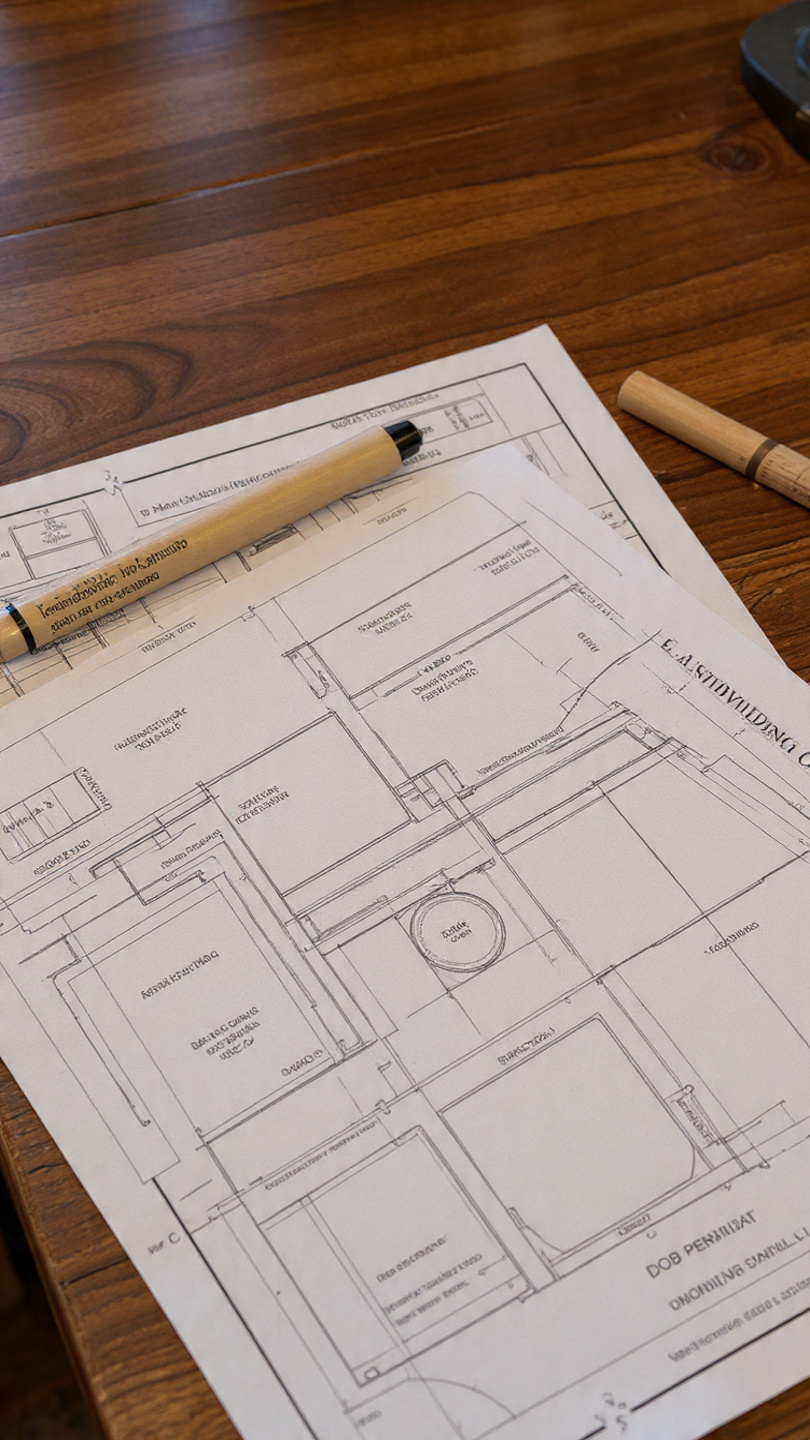
3. Landmark and brownstone specifics
If your brownstone is in a historic district, the Landmarks Preservation Commission (LPC) adds another approval layer, especially for:
Façade changes, new windows, doors and stoop work
Rooftop bulkheads, decks and railings
Street-visible rear extensions
This does not kill your renovation, but it does add weeks to months to design and approvals.
How-To: Step-by-step plan for a 2026 Brooklyn brownstone renovation
Step 1: Define your renovation level and budget band
Decide if you are doing:
Cosmetic refresh
Systems + layout upgrade
Full gut and façade work
Match that to the cost bands above and add:
Soft costs: 15–25 percent (architect, engineer, expeditor, permits, LPC if needed)
Contingency: 10–15 percent for hidden conditions and code surprises
Step 2: Pre-design walk-through with a brownstone GC
Bring in a contractor who actually works on brownstones (not just generic apartments) to review:
Structure (sagging joists, cracked party walls)
Existing plumbing stacks and main electrical service
Condition of façade, stoop and rear yard
Cellar and garden level moisture issues
This is where Metro Contractors can give real numbers, phasing ideas and “must do now” versus “can wait” guidance for your specific house.

Step 3: Architect and EBC-aware drawings
Partner with an architect who understands:
Ask explicitly how they will:
Identify work that is permit-exempt vs what must be filed
Plan required inspections and energy or accessibility triggers under the EBCNYC Homeowner Services+1
Step 4: DOB permit strategy and sidewalk shed planning
With your architect and GC:
Confirm if your scope triggers façade or structural work that needs a shed
Time the shed installation as close as possible to the start of actual exterior work
Build a 90-day exterior work schedule that lines up inspections, deliveries and trades so you can close the shed on timeViolation Watch+2tarterkrinsky.com+2
Step 5: Phasing the interior work
For owner-occupied brownstones, consider:
Floor-by-floor phasing to keep some space usable
Temporary kitchen and bath strategies
Clear “no work” quiet hours if you have tenants
Your GC should map out a Gantt-style schedule that blends interior work with the exterior and inspection calendar.
Step 6: Close-out and future-proofing
As you finish:
Confirm all inspections are closed, and permits signed off
Keep digital copies of drawings, photos and inspection sign-offs for future projects
Ask your GC to flag future phases (roof deck, garden level rental, etc.) so today’s work does not limit tomorrow’s options.
FAQ – Brooklyn brownstone renovations in 2026
1. What is the biggest new risk for brownstone renovations in 2026?The biggest new risk is schedule pressure from the 90-day sidewalk shed permit and increased EBC inspections. Poor planning can mean extended sheds, extra fees and frustrated neighbors.Violation Watch+2tarterkrinsky.com+2
2. Do I always need a full ALT-1 filing for a brownstone renovation?
No. Some interior-only projects can proceed as ALT-2 or limited-scope filings, but once you touch structure, egress, certificate of occupancy or major layout changes, ALT-1 is very likely. A DOB-savvy architect and GC will decide the right path.NYC.gov+1
3. How far in advance should I start design before I want the work to begin?
For a typical brownstone gut in 2026, plan 3–6 months for design, DOB filing and approvals, plus more time if you are in a landmark district. Complex scopes or façade repairs can push that longer.
4. Does a brownstone renovation always increase resale value?
Well planned brownstone renovations almost always raise value, especially when they improve mechanicals, layouts and outdoor access. Over-custom finishes or ignoring code and maintenance issues can limit your return, so align the scope with the neighborhood and likely buyer.
Metro Contractors is a New York City general contractor specializing in brownstones, townhouses, co-ops and condos throughout Manhattan, Brooklyn and the Bronx. The team has decades of experience navigating DOB, LPC and NYC’s evolving codes.
Planning a Brooklyn brownstone renovation in 2026? Request a walk-through and cost review with Metro Contractors at metrocontractors.nyc
. We will break down your scope, permits and realistic budget before you spend a dollar on finishes.
Internal links
Use this page on your site, for example: /blog/nyc-kitchen-remodel-cost-2026 or /services/brownstone-renovations as a contextual internal link in your CMS.
External authority links
Comments